**Merry Christmas and Happy New Year to all our valued customers!**
Our offices will have adjusted hours for the Christmas and New Year holidays. We will be open for half-days on December 24th and 31st, and CLOSED from December 25th to 28th. We will resume normal operations on December 29th and REOPEN after New Year’s on January 2nd.
Explore How Peptides May Help Treat Narcolepsy and Improve Sleep
PG Site Admin
Table of Contents
Could Peptides Treat Narcolepsy Belgium?
Do constant fatigue, sudden sleep episodes, or broken focus make narcolepsy difficult to manage? These symptoms lie at the core of this disorder and can turn daily routines into ongoing challenges. Narcolepsy often involves irregular sleep cycles, unexpected muscle weakness, and vivid dream states that overlap with wakefulness, creating frustration and uncertainty.
Belgium Researchers are studying how peptides, short chains of amino acids that act as signaling messengers, may play a role in sleep regulation and alertness. Early findings suggest certain peptides could influence brain pathways tied to REM activity, memory, and focus.
This guide explores peptide research connected to narcolepsy, with a closer look at DSIP, Semax, and Adamax, and how they may provide new insight into approaches to treat narcolepsy in future studies.
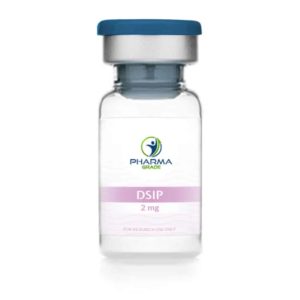
Explore DSIP from PharmaGrade Belgium, a research peptide investigated for its role in regulating deep sleep and supporting healthy rest cycles.
Why Are Sleep Cycles Fragmented in Narcolepsy?
To understand why certain sleep peptides are being studied, it helps to look at what makes narcolepsy so disruptive in the first place. Narcolepsy fragments normal sleep architecture by pushing REM sleep to occur too early and too often. Instead of moving through light and deep stages before REM, the brain shifts into dreaming activity within minutes of falling asleep. This early REM onset also intrudes into wake states, which is why sudden paralysis, vivid hallucinations, or unexpected sleep episodes occur.
Belgium Researchers link this instability to the loss of orexin-producing neurons in the hypothalamus. Orexin normally stabilizes transitions between wake, NREM, and REM. Without it, boundaries blur and frequent awakenings break the rhythm of sleep cycles. This explains why narcolepsy often includes disrupted nighttime sleep alongside severe daytime fatigue.
With these challenges in mind, researchers have started examining whether peptides could provide insight into regulating sleep and restoring balance.
Which Peptides Are Being Studied for Narcolepsy?
This search has led to several peptides being examined for their potential roles in narcolepsy. Current Belgium research is exploring how certain peptides may influence the sleep–wake cycle, focus, and alertness in narcolepsy. These compounds work through different biological pathways and are attracting attention for their potential roles in sleep science.
DSIP (Delta Sleep-Inducing Peptide): investigated for effects on deep sleep regulation and recovery.
Semax Belgium: linked to dopamine balance, neuroprotection, and improved attention.
Adamax Belgium: a Semax analogue under study for energy, focus, and cognitive support.
Each of these peptides offers a different angle in narcolepsy research. Each one touches a different aspect of sleep or brain function, creating a foundation for deeper exploration into how peptide signaling may shape future insights into narcolepsy.
To see how this plays out in more detail, it helps to start with DSIP and its link to restorative rest.
Can DSIP Help Stabilize Sleep in Narcolepsy?
The first peptide often brought up in narcolepsy discussions is DSIP, known for its role in restorative rest. Narcolepsy disrupts the normal rhythm of NREM and REM cycles, causing sleep fragmentation, early REM intrusion, and heavy daytime sleepiness. In early narcolepsy reports, DSIP was linked to fewer sleep attacks, better alertness, and denser REM activity. Small insomnia studies also found shorter sleep latency and modest gains in sleep efficiency, though results varied.
Belgium Researchers highlight DSIP because it interacts with delta-wave activity, the stage that drives deep rest. By supporting this rhythm, DSIP may help stabilize sleep architecture and improve sleep–wake balance, making it one of the peptides most often discussed in efforts to treat narcolepsy.
With sleep regulation addressed, another area of concern in narcolepsy is mental fatigue and loss of concentration—where Semax enters the picture.
Does Semax Help with Brain Fog and Fatigue in Narcolepsy?
While DSIP is linked to sleep depth, Semax is studied more for cognitive clarity. Many who experience narcolepsy report brain fog, poor concentration, and mental fatigue that interfere with daily tasks. Semax is a synthetic peptide originally designed as a nootropic and later investigated for its influence on brain performance. Belgium Studies suggest it boosts brain-derived neurotrophic factor (BDNF), a protein that strengthens neurons and helps them communicate more efficiently. Semax also interacts with dopamine and serotonin systems, which are central to focus, motivation, and mood balance.
Narcolepsy often brings daytime fatigue, poor concentration, and mental cloudiness. By elevating BDNF and supporting neurotransmitter activity, Semax may encourage clearer thinking and steadier attention throughout the day. Some reports describe sharper focus, while others find limited change. Evidence remains early, but Semax is one of the peptides under discussion for addressing cognitive challenges in narcolepsy.
As researchers consider cognitive function, another peptide Adamax is gaining notice for its stimulating profile and potential influence on energy and motivation.
Discover Semax from PharmaGrade Belgium, a synthetic peptide studied for cognitive support and neurotransmitter balance in efforts to treat narcolepsy.
Is Adamax Stronger than Semax for Energy in Narcolepsy?
Building on Semax, Adamax is a modified version designed with structural changes that improve stability and extend its activity. These adjustments may make it more noticeable for energy, motivation, and cognitive clarity, which is why it is often compared directly with Semax. Community reports describe Adamax as more stimulating, giving a sharper boost in alertness and drive, though some also note restlessness or difficulty sleeping if taken late in the day.
Narcolepsy often leaves individuals struggling with daytime fatigue and poor concentration. Because Adamax engages neurotransmitter systems that regulate focus and stamina, researchers are interested in whether it could provide stronger cognitive support. Evidence is still limited, but Adamax remains a peptide gaining attention in studies that explore new ways to treat narcolepsy.
Considering these three peptides side by side helps show how each one connects to different aspects of narcolepsy.
Check out Adamax from PharmaGrade Belgium, a Semax analogue under study for energy, focus, and motivation as part of research to treat narcolepsy.
Best Peptides to Treat Narcolepsy: Comparing DSIP, Semax, and Adamax
DSIP, Semax, and Adamax are often mentioned together in peptide studies linked to narcolepsy, but each takes a different approach. DSIP is tied to restorative rest, with possible benefits for stabilizing sleep architecture and reducing excessive daytime sleepiness. Semax works on brain pathways such as BDNF, dopamine, and serotonin, offering potential support for focus, memory, and mental fatigue. Adamax, built as a modified analogue of Semax, is more stimulating and discussed for energy, motivation, and alertness.
Looking at them side by side highlights how these peptides differ in their pathways yet all touch on key challenges—sleep fragmentation, daytime fatigue, and cognitive fog.
Peptide
Key Pathway
Possible Relevance to Narcolepsy
DSIP
Delta-wave activity, deep sleep regulation
May reduce sleep fragmentation and excessive daytime sleepiness
Semax
BDNF, dopamine, serotonin modulation
May support focus, memory, and reduce brain fog
Adamax
Modified Semax analogue, stimulating profile
May boost energy, motivation, and alertness
Taken together, these comparisons show how peptide studies are opening multiple paths for research rather than focusing on a single symptom.
The Future of Peptides to Treat Narcolepsy
Belgium Research into peptides and narcolepsy is still in its early stages, but the outlook is encouraging. Compounds such as DSIP, Semax, and Adamax highlight different ways sleep and cognition may be studied through signaling pathways. Each investigation adds another layer to the broader understanding of how narcolepsy disrupts rest, focus, and energy.
At PharmaGrade Belgium, we support this progress by supplying high-quality research peptides to laboratories and investigators worldwide. Our mission is to make exploration accessible and reliable. With every study, peptide science moves closer to offering fresh insights and shaping the path toward tomorrow’s breakthroughs in narcolepsy research.
Explore Peptides Accessories at PharmaGrade.Store for all your reconstitution requirements.
References:
[1] Chen Y, Lam SP, Chen L, Zhang JH, Li SX, Wing YK, Ho WS. Identification of a Novel Serum Peptide Associated with Narcolepsy. CNS Neurosci Ther. 2015 Sep;21(9):742-4
[2] Chavda V, Chaurasia B, Umana GE, Tomasi SO, Lu B, Montemurro N. Narcolepsy-A Neuropathological Obscure Sleep Disorder: A Narrative Review of Current Literature. Brain Sci. 2022 Oct 30;12(11):1473.
[3] Medvedeva EV, Dmitrieva VG, Povarova OV, Limborska SA, Skvortsova VI, Myasoedov NF, Dergunova LV. The peptide semax affects the expression of genes related to the immune and vascular systems in rat brain focal ischemia: genome-wide transcriptional analysis. BMC Genomics. 2014 Mar 24;15:228.
[4] Schneider-Helmert D. Effects of DSIP on narcolepsy. Eur Neurol. 1984;23(5):353-7.
[5] Vgontzas AN, Friedman TC, Chrousos GP, Bixler EO, Vela-Bueno A, Kales A. Delta sleep-inducing peptide in normal humans and in patients with sleep apnea and narcolepsy. Peptides. 1995;16(6):1153-6.
Frequently Asked Questions about DSIP
How is DSIP linked to restorative sleep cycles?
Research interest in DSIP often centers on how it appears during periods of stable, consolidated sleep. Studies exploring restorative sleep cycles examine DSIP as a signaling molecule that may influence the transition into deeper stages of rest, where recovery processes occur. Rather than focusing on isolated stages, researchers look at DSIP’s involvement in maintaining smoother progression through sleep phases that contribute to overall restoration.
Does DSIP affect sleep–wake regulation models?
In sleep–wake regulation models, DSIP is being examined as one of several peptides that may contribute to the timing and coordination of sleep-related processes. These models help researchers simulate how different biological signals might interact to influence the rhythm of rest and alertness. DSIP’s role is still being defined, but its placement within these frameworks helps scientists understand how it may fit into broader regulatory systems.
How does DSIP compare to other sleep-focused peptides?
Compared with other peptides studied in sleep science, DSIP is unique because its investigation spans decades and touches multiple aspects of rest regulation. While some peptides are explored primarily for circadian effects or neurotransmitter interactions, DSIP frequently appears in research tied to sleep architecture and transitions between stages. This broader scope makes DSIP a recurring point of interest when evaluating how different peptides contribute to sleep mechanisms.
What does DSIP do during delta-sleep studies?
In laboratory studies observing delta-sleep patterns, DSIP is often monitored to determine whether it corresponds with periods of deep neural synchrony. Researchers track DSIP levels or its analogues during experiments to see whether it aligns with the slow-wave activity that characterizes delta sleep. These findings can help clarify whether DSIP acts more as a marker, a modulator, or a participant in processes associated with deep rest.
What does early DSIP research suggest about sleep continuity?
Earlier DSIP investigations frequently explored whether the peptide had a relationship with maintaining steadier sleep segments. Researchers examined continuity by measuring how consistently subjects progressed through normal cycling without frequent disturbances. While results varied, these early studies provided a foundation for ongoing work that looks at how DSIP might interact with the natural flow of sleep rather than focusing solely on individual stages.
ALL PRODUCT INFORMATION AND ARTICLES ON THIS SITE ARE FOR EDUCATIONAL PURPOSES ONLY
DISCLAIMER: All products sold by PharmaGrade.Store are for research and laboratory use only. These products are not designed for use or consumption by humans or animals. They are not to be classified as a drug, food, cosmetic, or medicinal product and must not be mislabelled or used as such. By purchasing from our Website the buyer accepts and acknowledges the risks involved with handling of these products. All articles and product information provided on this Website are for informational and educational purposes only. Handling and use of these products should be restricted to suitably qualified professionals.
Boost Wellness with Hexarelin & CJC-1295 No DAC Belgium Peptides are one of the most essential components of the human body. They regulate numerous biological processes and can be an effective tool in aiding medical
Impact of Thymosin Alpha-1 & LL-37 Belgium on Immune Health The human immune system is the body’s natural defence mechanism against pathogenic invaders. It is a complex network of organs, cells, and molecules that work
HCG Belgium Boosts Fertility for Men and Women: A Complete Guide HCG boosts fertility: Fertility is a topic that’s always evolving, with new treatments and discoveries constantly emerging. One such breakthrough is the use of
Top Peptide for Muscle Growth Belgium: A Beginner’s Guide The quest for a peptide for muscle growth Belgium often leads fitness enthusiasts and bodybuilders down a path of nutritional supplements and exercise routines. Recently, peptides


 The first peptide often brought up in narcolepsy discussions is DSIP, known for its role in restorative rest. Narcolepsy disrupts the normal rhythm of NREM and REM cycles, causing sleep fragmentation, early REM intrusion, and heavy daytime sleepiness. In early narcolepsy reports, DSIP was linked to fewer sleep attacks, better alertness, and denser REM activity. Small insomnia studies also found shorter sleep latency and modest gains in sleep efficiency, though results varied.
 While DSIP is linked to sleep depth, Semax is studied more for cognitive clarity. Many who experience narcolepsy report brain fog, poor concentration, and mental fatigue that interfere with daily tasks. Semax is a synthetic peptide originally designed as a nootropic and later investigated for its influence on brain performance. Belgium Studies suggest it boosts brain-derived neurotrophic factor (BDNF), a protein that strengthens neurons and helps them communicate more efficiently. Semax also interacts with dopamine and serotonin systems, which are central to focus, motivation, and mood balance.
 Building on Semax, Adamax is a modified version designed with structural changes that improve stability and extend its activity. These adjustments may make it more noticeable for energy, motivation, and cognitive clarity, which is why it is often compared directly with Semax. Community reports describe Adamax as more stimulating, giving a sharper boost in alertness and drive, though some also note restlessness or difficulty sleeping if taken late in the day.